
Feel Better by Supporting Your Nervous System
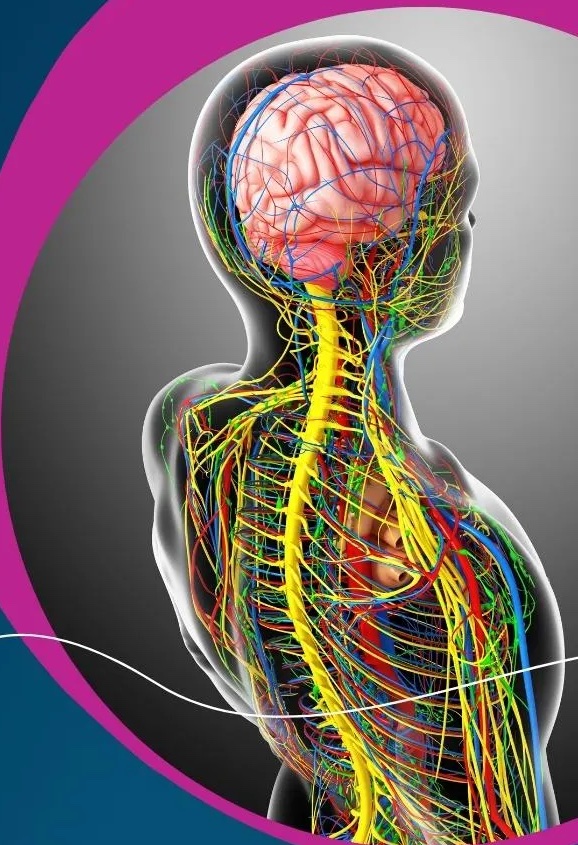
Nervous System Regulation: A Simple Way to Reduce Stress and Support Whole-Body WellnessFeel Better by Supporting Your Nervous System
If you’re eating well, staying active, and trying to prioritize sleep, but still feel tense, fatigued, or overwhelmed, you’re not alone. Many people today are doing everything “right” and still don’t feel their best. Often, the missing piece isn’t more effort, it’s nervous system regulation.
The focus on nervous system health has gained attention because it addresses a root issue behind chronic stress, poor sleep, low energy, and tension throughout the body.
What Is Nervous System Regulation?
Your nervous system controls how your body responds to daily life. It operates in two main modes:
-
Fight or flight, which helps you respond to stress
-
Rest and recover, which supports healing, digestion, and sleep
In today’s fast-paced, always-connected world, many people remain stuck in fight-or-flight mode. Nervous system regulation focuses on helping the body return to balance so it can recover more effectively.
Common Signs of Nervous System Overload
An overstimulated nervous system doesn’t always feel like anxiety. It often shows up as:
-
Trouble falling or staying asleep
-
Feeling “wired but tired”
-
Muscle tension or jaw clenching
-
Digestive discomfort
-
Difficulty relaxing, even during downtime
These symptoms are common and often overlooked signs of chronic stress.
Practical Tips to Support Nervous System Health
Supporting your nervous system doesn’t require drastic lifestyle changes. Small, consistent habits can make a big difference.
- Practice Slow, Intentional Breathing
Deep breathing with longer exhales helps signal the body to relax. Try inhaling through your nose for four seconds and exhaling for six seconds for two to three minutes each day. - Choose Gentle, Consistent Movement
Walking, stretching, yoga, or light mobility exercises help release tension and support relaxation. Movement doesn’t have to be intense to benefit your nervous system. - Stick to Simple Daily Routines
Consistent sleep and meal times help your nervous system feel safe and stable. Predictability can significantly reduce stress over time. - Limit Screen Time and Stimulation
Constant notifications and screen exposure keep the nervous system on high alert. Taking regular breaks—especially in the evening—can improve sleep and focus. - Spend Time Outdoors
Natural light and fresh air help regulate stress hormones. Even a short walk outside can improve mood and mental clarity.
Why Nervous System Regulation Matters
When your nervous system is supported, many people notice better sleep, improved energy, reduced tension, and greater emotional resilience. It also allows other wellness efforts such as exercise, nutrition, and chiropractic care, to be more effective.
Supporting Wellness at Allen County Family & Sports Chiropractic
At Allen County Family & Sports Chiropractic, we believe wellness is about more than treating symptoms—it’s about helping your body function at its best. Supporting nervous system health is a key part of maintaining balance, reducing stress, and improving your overall quality of life.
Don’t let chronic stress, tension, or low energy hold you back. Schedule a visit with our Fort Wayne chiropractic team, serving patients in Southwest and Waynedale, and discover how supporting your nervous system can enhance sleep, boost energy, reduce tension, and make all your wellness efforts more effective.
Balance your body, reclaim your energy, and start feeling your best today. Call us now to get started!
Read Next: How Spinal Misalignment Affects Your Whole Body
Your nervous system plays a key role in overall wellness, but did you know that spinal misalignment can also impact your entire body? From headaches and fatigue to digestive issues and tension, misalignments can affect more than just your back. Learn how proper alignment supports your health and complements nervous system regulation.
Read the full post → click here.